
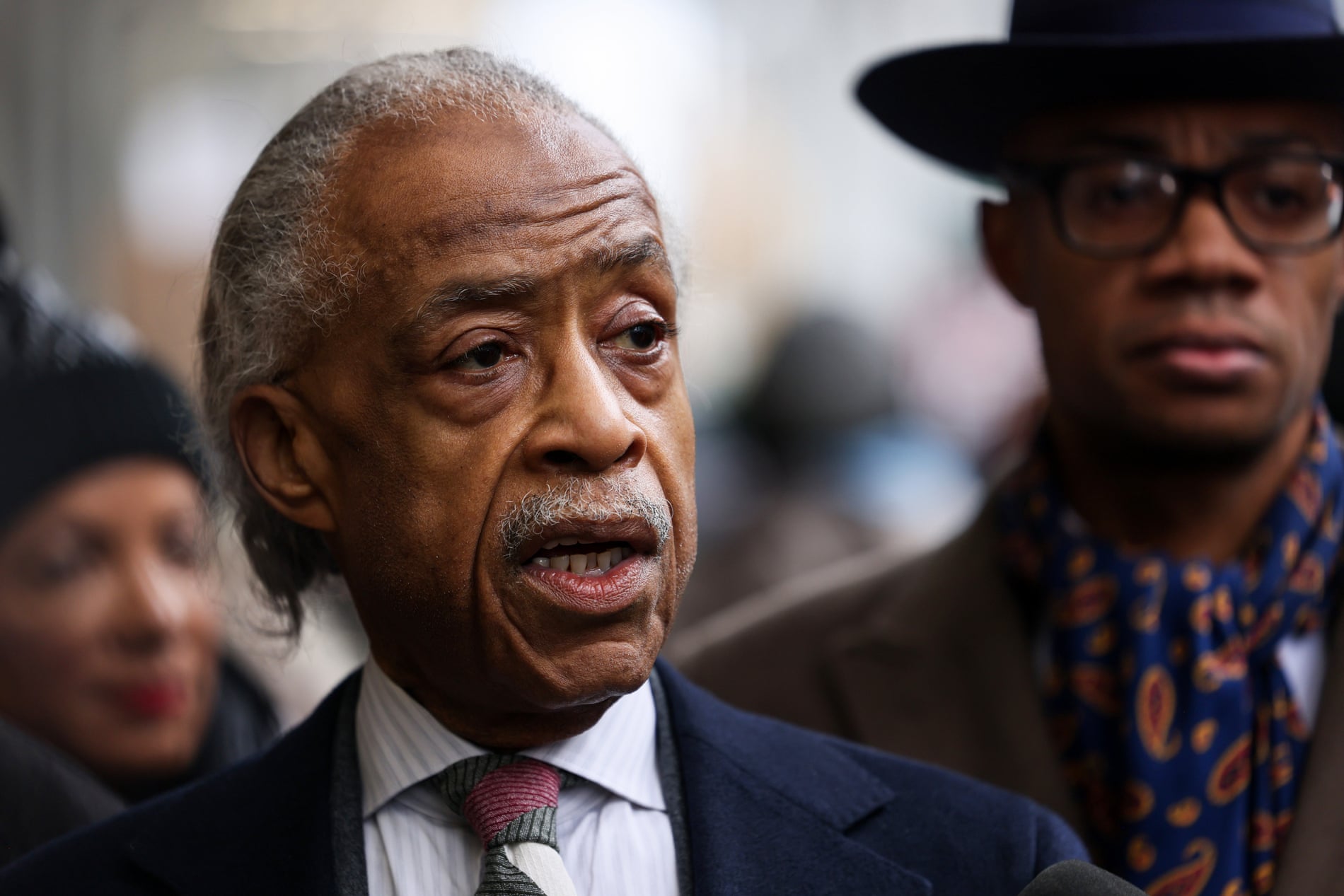
The announcement of Donald Trump selling Bibles for $60 has sparked widespread criticism, with Rev. Al Sharpton denouncing the move as disrespectful to believers. In a statement to MSNBC, Sharpton expressed his dismay, labeling the endeavor as blasphemous, particularly considering its timing during Holy Week.
"Blasphemy certainly comes to mind," Sharpton emphasized. "Doing this during Holy Week, which is really a spit in the face of people that really believe in the Bible from a Christian point of view."
Trump unveiled the Bible project via a video on his Truth Social platform, accompanied by country and western singer Lee Greenwood. Despite claims that the project is non-political, the website selling the Bibles prominently features Trump's image. However, it asserts that neither Trump nor his affiliated organizations have direct involvement.
The venture, managed by CIC Ventures LLC, a company linked to Trump, has raised eyebrows given Trump's financial interests and legal entanglements. Reports suggest Trump receives royalties from the sales, adding complexity to the venture's purported non-political nature.
Sharpton's critique extends beyond the commercialization of faith. He questioned the integrity of ministers and evangelicals who might endorse Trump's Bible. He likened the endeavor to past instances of exploitation within religious communities, citing Trump's history of selling various items for profit.
"This is nothing but a hustle," Sharpton asserted. "If he’s not like the old hustlers that used to profit off old ladies that believed that this was the way to God, then I don’t know what it is."
The timing of Trump's Bible sales during Holy Week adds another layer of controversy. As Christians worldwide prepare to commemorate Good Friday and Easter, Sharpton questioned the silence of evangelical leaders in response to what he perceives as a disregard for sacred traditions.
"For those in the evangelical community not to come out and say, ‘Wait a minute, during Holy Week, that’s a step too far,’ makes us wonder where they’re committed," Sharpton remarked.
The spectacle of a presidential candidate engaging in such a venture raises ethical concerns, particularly given Trump's turbulent personal and political history. Despite this, the move underscores the enduring influence of faith in American politics and the complexities of its intersection with commercial interests.
As debates over the separation of religion and commerce persist, Sharpton's criticism serves as a reminder of the importance of upholding the sanctity of religious traditions, especially during sacred periods like Holy Week.


