
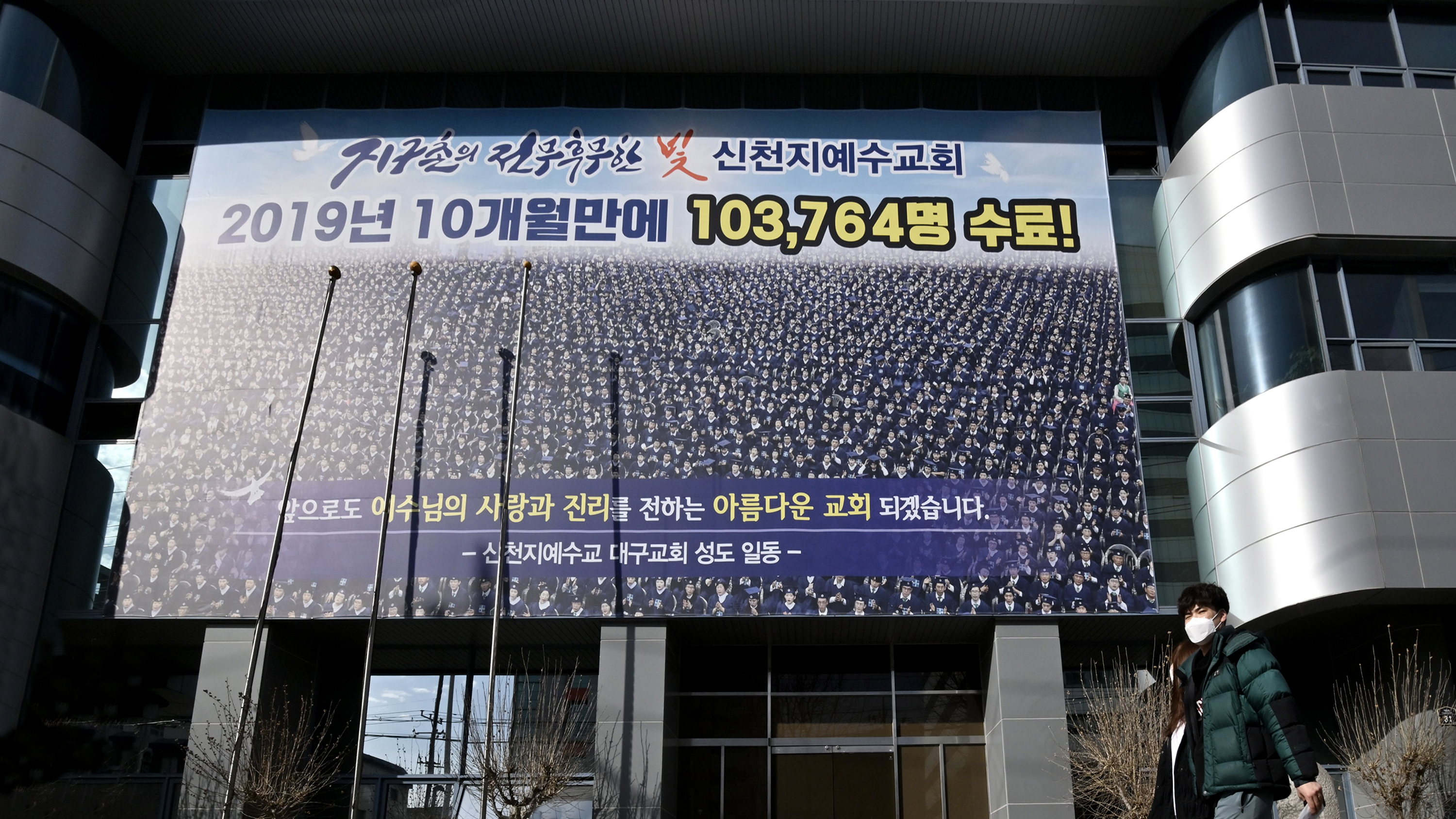
In a compelling narrative, the story unfolds in New Zealand, where unsuspecting Christians found themselves entangled with Shincheonji, a religious movement originating from South Korea. Former members share their encounters, revealing the group's infiltration of traditional churches and campus ministries, coupled with deceptive practices and heretical beliefs.
Laura, a volunteer at LIFE Central church in Auckland, recounts her introduction to Shincheonji in 2015, highlighting the subtle tactics employed by its members. From targeted encounters to persuasive mentors, the journey led Laura and her peers into intensive Bible-based classes, delving into interpretations of Jesus’ parables and the Book of Revelation as foretelling Lee Man-Hee's role as the promised pastor.
Shincheonji, meaning "new heaven and new earth," emerged in South Korea in 1984 under Lee Man-Hee's leadership. Its expansion to over 29 countries, with internal statistics indicating a global membership of 240,000, has raised concerns among Christians worldwide. The group's infiltration of New Zealand, starting in 2015, became a focal point, prompting churches and former members to expose its deceptive strategies.
The article details Shincheonji's origin, tracing back to Lee's experiences and the formation of the religious group amidst the tumultuous landscape of Korean religious movements. Shincheonji's growth, propelled by an in-house "seminary" in 1990, witnessed a surge in membership, reaching 45,000 by 2007. The movement's deceptive tactics, targeting existing church members for recruitment, began around 2010, leading to exponential growth and 170,000 reported members by 2016.
Shincheonji's arrival in New Zealand marked the beginning of its covert operations, with missionaries arriving in 2015 and swiftly integrating into churches and campus ministries. Former members, like Laura, became key leaders, facilitating Shincheonji's establishment in New Zealand under the name Rakau o te Ora.
The narrative reveals the deceptive strategies employed by Shincheonji, including impersonating local Bible colleges, utilizing front groups like Heavenly Culture, World Peace, Restoration of Light (HWPL), and manipulating unsuspecting Christians to join Bible studies. The group's theology, centered on Lee's unique interpretation of the Bible, often clashed with mainstream Christian beliefs.
Despite Shincheonji's aggressive expansion, New Zealand's vigilant response, led by pastors and church leaders, became apparent. Churches actively warned congregations, and former members initiated discussions on online platforms, exposing the group's tactics and debunking its theology. This collective effort, along with media coverage, contributed to a slowing of Shincheonji's growth in Wellington, where skepticism and awareness prevailed.
The article offers insight into the lives of former members, detailing the relentless nature of Shincheonji's demands on their time, relationships, and spiritual beliefs. It explores the challenges faced by those seeking to exit the group, emphasizing the importance of building trusting relationships and providing support for individuals to rediscover their faith outside Shincheonji's influence.
Christian leaders are urged to introspect on potential parallels between their ministries and Shincheonji's tactics, fostering transparency and openness. The article concludes with a call to action, emphasizing the need for love, care, and patience when assisting individuals on their journey of recovery from Shincheonji's influence.


