
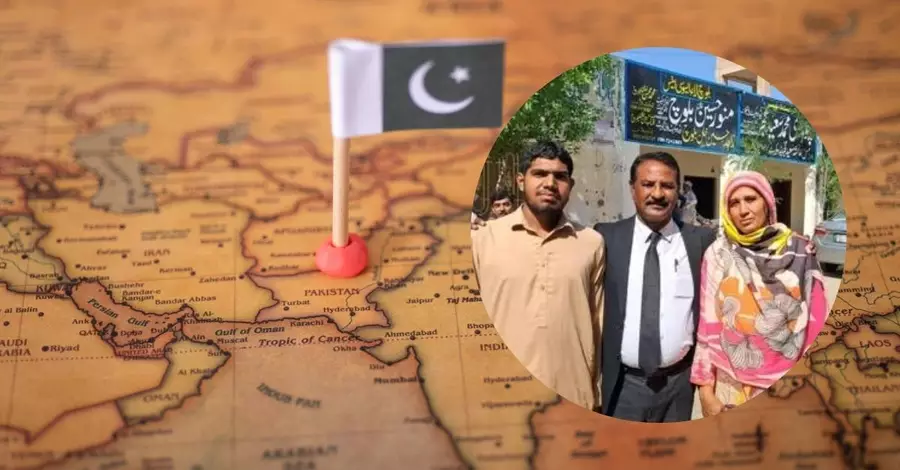
In a distressing turn of events, Musarrat Bibi, a Christian widow in Pakistan, found herself losing not only her job but also her home after being falsely charged with blasphemy. Despite being acquitted on December 8 alongside Muslim gardener Muhammad Sarmad, the repercussions of the baseless accusations continue to haunt her life.
The false charges emerged from an incident on April 15 at the Government Girls Higher Secondary School in 66-EB village, Arifwala tehsil of Pakpattan District, Punjab Province. Bibi and Sarmad were accused of desecrating pages of the Quran while cleaning a storeroom. Their acquittal did little to shield Bibi from the devastating consequences that followed.
Upon her release on bail after nearly a month in police custody, Bibi discovered that not only had she lost her job but her life was now under constant threat. The school administration, despite her innocence, refused to reinstate her employment. This prompted Bibi, a 45-year-old widow, to take the drastic step of fleeing her village with her daughter, changing locations regularly to avoid detection.
In a heartbreaking revelation, Bibi shared, “It’s been nearly seven months now that we are on the run, constantly changing our locations to avoid being traced.” The stigma attached to blasphemy accusations in the predominantly Muslim country made it impossible for her to reclaim her job or find stability in her life.
Describing her ordeal, Bibi expressed her hope and faith in God, stating, “But I’m praying and hoping that God will make a way for me to get the same job in some other district.” The false accusations have shattered her life, forcing her into a nomadic existence since her release on post-arrest bail on May 12.
Prior to the incident, Bibi had been an office worker at the school, also operating a private shop to supplement her income. Her employment was a continuation of her deceased husband's legacy, Barkat Masih, who was a teacher. The false blasphemy accusation has not only taken away her livelihood but has also affected her family, with one of her daughters forced to drop out of school due to the ongoing case.
Bibi alleges that a Muslim teacher named Muneera, harboring a grudge against her for refusing to clean a toilet, falsely implicated her in the case. Recounting the day of the incident, Bibi shared, “As soon as the headmistress saw me, she screamed that I had hurt their religious sentiments by burning Quranic pages.”
The timely intervention of the police saved Bibi from a potential threat to her life. Her lawyer, Lazar Allah Rakha, mentioned that Arifwala Additional Sessions Judge Tariq Mahmood acquitted her under Section 295-B of Pakistan’s blasphemy statutes, emphasizing that there was no willful intention to desecrate the Quranic pages.
The case highlights the rushed registration of blasphemy charges under mob pressure and the enduring impact of false accusations on innocent lives. In Pakistan, where baseless blasphemy allegations often incite violence, rights advocates stress the need for reform in the country's blasphemy laws. However, strong resistance from various political forces has hindered substantial changes.
According to the Centre for Social Justice, more than 2,000 people have been accused of blasphemy in Pakistan since 1987, with at least 88 individuals killed by mobs following similar allegations. The alarming frequency of such incidents underscores the urgent need for legal reforms and protections for religious minorities in the country.
Despite international and local pressure, Pakistan remains a challenging place for Christians. In the 2023 World Watch List by Open Doors, Pakistan ranked seventh among the most difficult places for Christians, a concerning rise from the eighth position in the previous year.


