
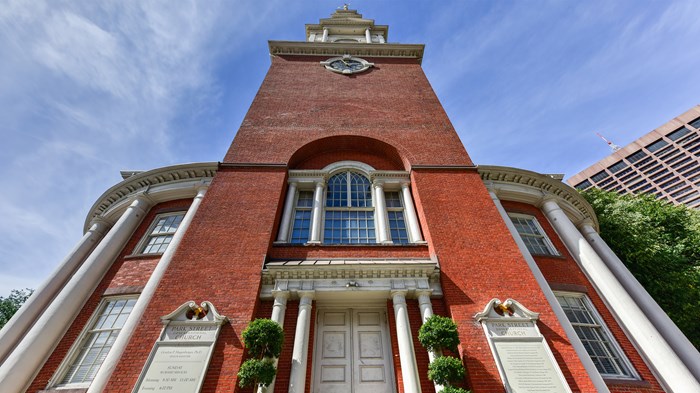
A prolonged dispute over leadership approaches and decision-making procedures has engendered divisions within the historic Park Street Church in Boston, presenting a test to its tradition of democratic governance.
Tensions at the landmark evangelical institution have reached a crescendo, characterized by allegations of spiritual authority misuse and authoritarianism. Petitions have circulated, urging a review of leadership actions, while a letter from the board of elders emphasized the forthcoming vote as a critical juncture for the congregation.
The impending vote, slated for Sunday, holds significant weight, framing the church's future direction, particularly concerning the endorsement of its current senior minister, Mark Booker. While Booker acknowledges the existing conflict, he implores the congregation to affirm his leadership as a step towards resolution.
Examining the root of discord reveals a clash initiated by divergent leadership styles and decision-making dynamics. The discontent, once a routine congregational challenge, has escalated amid perceptions of unilateral decision-making and limited input under Booker's tenure, triggering factional divides within the church.
Critical voices within the congregation question Booker's suitability for leadership, citing concerns of spiritual abuse and a domineering disposition. Dissenting elders and former staff members have raised allegations of authoritarian tendencies, prompting resignations and calls for extended leaves of absence.
The impasse underscores broader implications for Park Street's congregational governance model, a cornerstone of its identity for over two centuries. Members grapple with the realization that democratic ideals may falter in the face of entrenched leadership conflicts, challenging the core tenets of participatory decision-making.
Booker's appointment in 2020 marked a departure from traditional congregationalist backgrounds, raising questions about compatibility with Park Street's governance ethos. While supporters highlight Booker's theological grounding and dedication to ministry, critics lament a departure from collaborative leadership norms.
Central to the dispute are shifts in decision-making protocols under Booker's leadership, characterized by diminished consultation and unilateral directives. Instances of contested service cancellations and altered hiring procedures have further fueled discontent, prompting soul-searching within the congregation.
Efforts to address grievances through congregational petitions have been stymied by procedural hurdles, casting doubt on the efficacy of existing governance mechanisms. Despite appeals for transparency and accountability, the path to resolution remains uncertain, with the upcoming vote poised to shape Park Street's trajectory.
As Park Street Church prepares for its annual meeting, the congregation finds itself at a crossroads, grappling with competing visions for its future. Against a backdrop of fractured trust and institutional introspection, the outcome of Sunday's vote carries profound implications for the church's identity and mission.


