
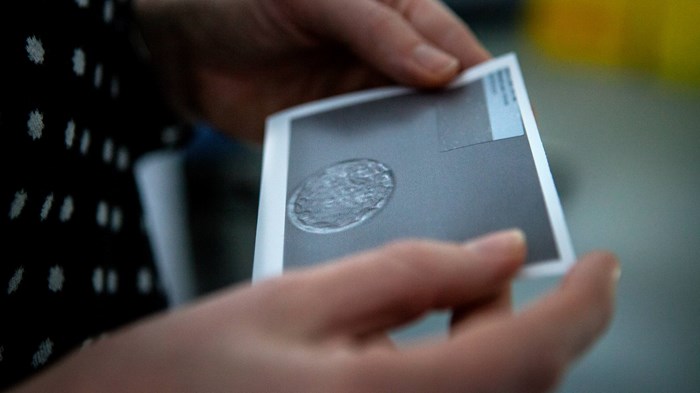
In a groundbreaking decision, Alabama has expanded legal protections to include frozen embryos, deeming them as children under the law, a move that has reverberated through both pro-life and reproductive rights circles. This ruling, hailed by some evangelicals as affirming life at its earliest stages, introduces complexities into the landscape of in vitro fertilization (IVF) and raises profound ethical questions about the status of embryos.
Alabama's assertion of personhood for frozen embryos marks a significant departure from conventional legal frameworks, positioning these "snowflake babies" as individuals deserving of legal recognition and safeguarding. The decision, delivered by the Alabama Supreme Court in response to a case involving destroyed embryos at a fertility clinic, underscores the state's commitment to upholding the sanctity of life, irrespective of developmental stage or physical location.
At the heart of this ruling lies a profound tension between the protection of embryonic life and the practice of IVF, which often results in surplus embryos stored indefinitely or discarded. While the decision does not explicitly ban IVF, it has prompted concerns within the medical community and among prospective parents regarding the future of fertility treatments in the state.
The ruling's implications extend beyond Alabama, resonating with the broader discourse surrounding assisted reproduction and reproductive ethics. With an estimated 1.5 million embryos currently in cryopreservation across the United States, the legal recognition of embryos as children raises complex moral dilemmas regarding their disposition and use in medical procedures.
Critics argue that the ruling could impede access to IVF services, potentially limiting reproductive options for individuals struggling with infertility. Fertility clinics, uncertain about the legal ramifications of storing surplus embryos, face unprecedented challenges in navigating regulatory compliance and ethical considerations.
Moreover, the decision underscores the evolving role of religious convictions in shaping public policy and legal interpretations. While some justices grounded their opinions in constitutional principles, others invoked theological perspectives, citing religious beliefs surrounding the sanctity of life and the moral imperative to protect embryos.
For proponents of the ruling, such as Republican presidential candidate Nikki Haley and ethicist Andrew Walker, the decision reflects a broader commitment to pro-life advocacy and the recognition of embryos as inherently valuable human beings. However, concerns persist among those who advocate for reproductive rights, who fear that the ruling may infringe upon individuals' autonomy and reproductive choices.
In navigating these complex issues, policymakers and ethicists alike must grapple with the ethical dimensions of assisted reproduction, balancing concerns for the sanctity of life with respect for individual autonomy and reproductive freedom. As debates surrounding reproductive ethics continue to evolve, the Alabama decision serves as a poignant reminder of the profound implications of legal and moral frameworks on the practice of medicine and the protection of human life.


