
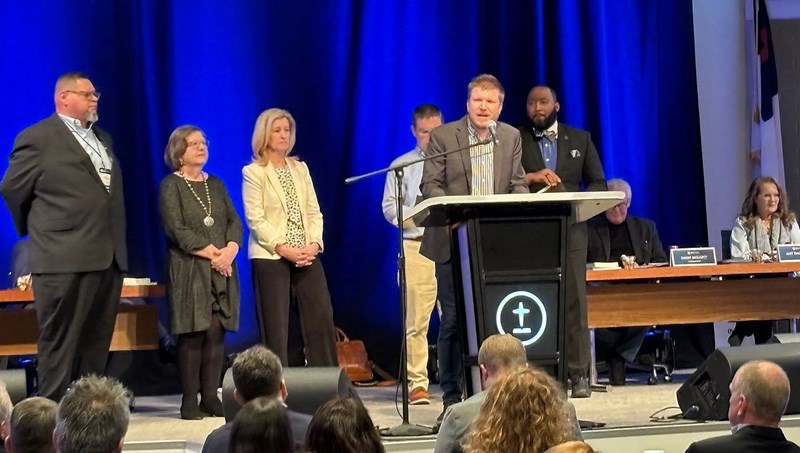
In a significant move towards combating abuse within its ranks, the Southern Baptist Convention (SBC) announced plans to establish an independent nonprofit tasked with overseeing a database of abusive pastors and implementing crucial reforms. This initiative marks a pivotal moment in the SBC's ongoing efforts to address abuse within its churches.
The decision to create a separate entity comes after years of grappling with the complexities of abuse reform. Led by Josh Wester, a North Carolina pastor chairing the SBC's abuse reform implementation task force, the endeavor aims to tackle the monumental challenge of abuse prevention and response, acknowledging that the magnitude of the task exceeds the capacity of volunteer-led efforts alone.
The proposed nonprofit, dubbed an abuse response commission, is envisioned as distinct from the SBC's existing structure, emphasizing the need for independent oversight in handling abuse-related matters. Wester underscored the necessity of this approach, citing legal and financial obstacles that have impeded progress thus far.
Central to the commission's mandate is the establishment of a comprehensive database, to be hosted on the Ministry Check website, cataloging pastors convicted of abuse or subject to civil judgments. Despite delays in launching this initiative, the commission remains committed to its implementation, prioritizing transparency and accountability within the denomination.
Moreover, the commission aims to equip churches with essential resources through an expanded "Ministry Toolkit," designed to facilitate abuse prevention and response efforts at the local level. This toolkit will provide churches with practical guidance and training materials, empowering them to address abuse effectively within their congregations.
Task force member Brad Eubank expressed optimism about the potential impact of these initiatives, viewing them as a watershed moment for the SBC. Emphasizing the importance of sustained commitment to abuse reform, Eubank highlighted the organization's responsibility to prioritize the well-being of survivors and prevent future instances of abuse.
Wester's address to the SBC's Executive Committee contextualized the commission's work within the broader history of the denomination's abuse crisis. Referencing investigative reports and reforms enacted in recent years, he cautioned against complacency, urging continued vigilance in confronting systemic issues of abuse.
The prevalence of abuse, Wester emphasized, transcends the boundaries of church size or theological orientation, citing prominent figures like Paul Pressler and Aaron Ivey as emblematic of the problem. By confronting these challenges head-on, the SBC seeks to reaffirm its commitment to justice and accountability within its congregations.
However, the question of sustained funding for the new nonprofit remains unresolved. While temporary support has been provided through designated funds, securing long-term financial resources is crucial for the commission's viability. Efforts are underway to garner support from key stakeholders, including SBC entity leaders and the Ethics and Religious Liberty Commission.
As preparations for the SBC's annual meeting in June gain momentum, Wester expressed confidence that a viable funding plan would be in place, ensuring the successful launch of the independent organization. With the support of the broader SBC community, the commission endeavors to chart a path forward in its mission to combat abuse and uphold the principles of integrity and compassion within the denomination.


