
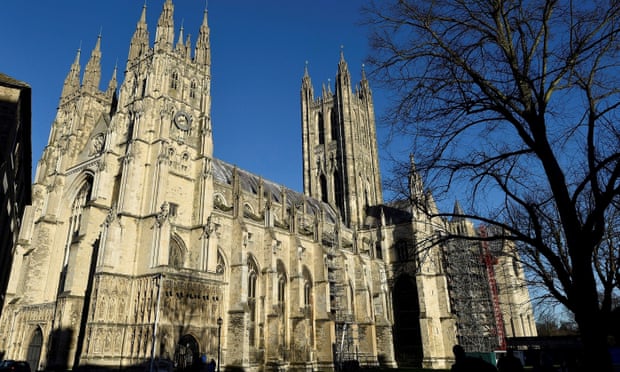
Canterbury Cathedral, England's oldest cathedral steeped in centuries of religious history, finds itself at the center of a contentious debate over its decision to host a 90s silent disco. With over 3,000 attendees expected to groove to hits from the Spice Girls to Eminem, the event aims to draw a new demographic to the sacred space. However, not everyone is applauding this move.
Critics within the Church of England have raised their voices, condemning the event as "profane" and asserting that it undermines the sanctity of the cathedral. A petition denouncing the disco has garnered significant support, with over 1,700 signatures expressing concerns that such festivities trivialize the spiritual significance of the venue. Cajetan Skowronski, the organizer of the petition, conveyed to Archbishop Justin Welby that the event could send the message that entertainment holds greater importance than reverence for God and holy places.
While the event swiftly sold out, it has triggered discussions on the intersection of secular entertainment and sacred spaces. The controversy isn't unique to Canterbury; similar silent disco events have been held in cathedrals and historic sites across the UK and Europe. The clash between tradition and modernity, between reverence and entertainment, is palpable.
The Very Rev Dr. David Monteith, dean of Canterbury, defended the event, emphasizing the cathedral's openness to diverse experiences. He acknowledged the differing perspectives on what constitutes appropriate use of sacred spaces, asserting that the silent disco aims to engage visitors on their own terms while maintaining respect for the cathedral's heritage.
Silent Discos in Incredible Places, the organizers behind the event, echoed Monteith's sentiments, affirming their respect for the cathedral's significance. They clarified that the disco intends to foster a sense of community and enjoyment, emphasizing its innocence and positivity.
As the debate rages on, it raises fundamental questions about the evolving role of religious institutions in contemporary society. Can sacred spaces adapt to accommodate new forms of expression without compromising their spiritual essence? Is there a balance to be struck between tradition and innovation, reverence and enjoyment?
The controversy surrounding Canterbury Cathedral's silent disco underscores the complex interplay between faith, culture, and tradition in an ever-changing world.


